ServicesWater Extraction
Water Extraction in Ettrick, VA
When a supply line, water heater or storm puts water on your floors, the first hours decide how much has to come out later. We remove the water with pumps and extractors and document what we find so your insurance claim starts on solid ground.
What water extraction does and why speed matters
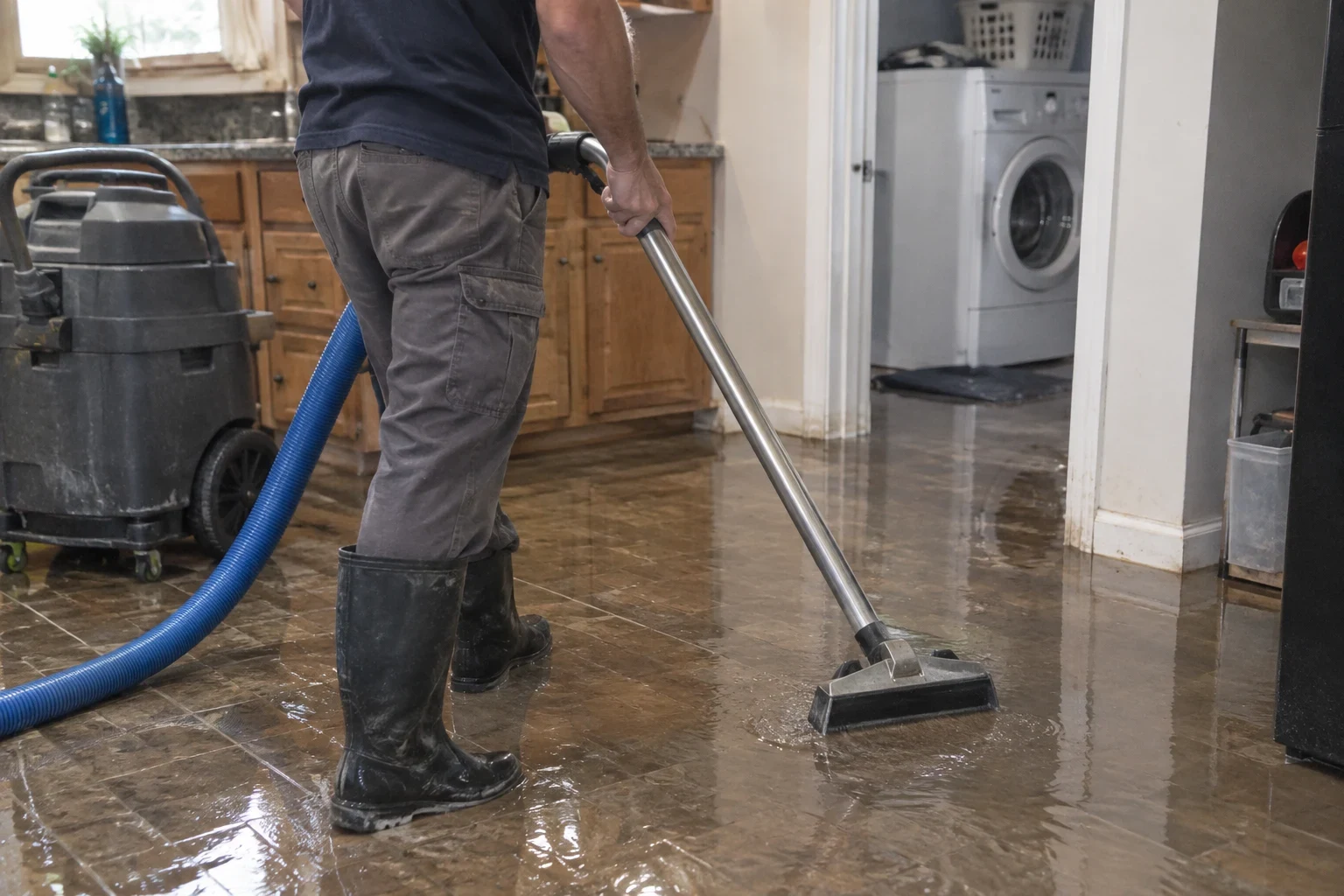
Extraction is the physical removal of liquid water from your home before drying starts. A dehumidifier can pull a few gallons a day from the air. A truck-mounted extractor pulls that much from a carpet in minutes. Every gallon we remove as liquid is a gallon your drywall, subfloor and framing do not have to absorb.
Water moves fast and low. It wicks up drywall through the paper facing, runs under baseboards, soaks into carpet pad and settles into the seams of laminate and vinyl plank. Within a day or two, wet particleboard swells, hardwood cups and the water can start to change category as bacteria grow. That is why we treat extraction as urgent, and why we are On site in 60 mins or less.
We also photograph and meter the damage before and after we work. Adjusters ask what was wet, how wet and where the water came from. Having that on record from the first visit makes the conversation with your carrier simpler. We work with most major insurance companies, and we explain the claim steps without acting as your adjuster.
What our water extraction work includes
- 01
Source shutoff and safety check
We help find and stop the water, whether that means closing the main valve, a fixture stop or the supply to a failed water heater. If water has reached outlets or a panel, we cut power to the affected circuits before anyone walks in it.
- 02
Moisture mapping
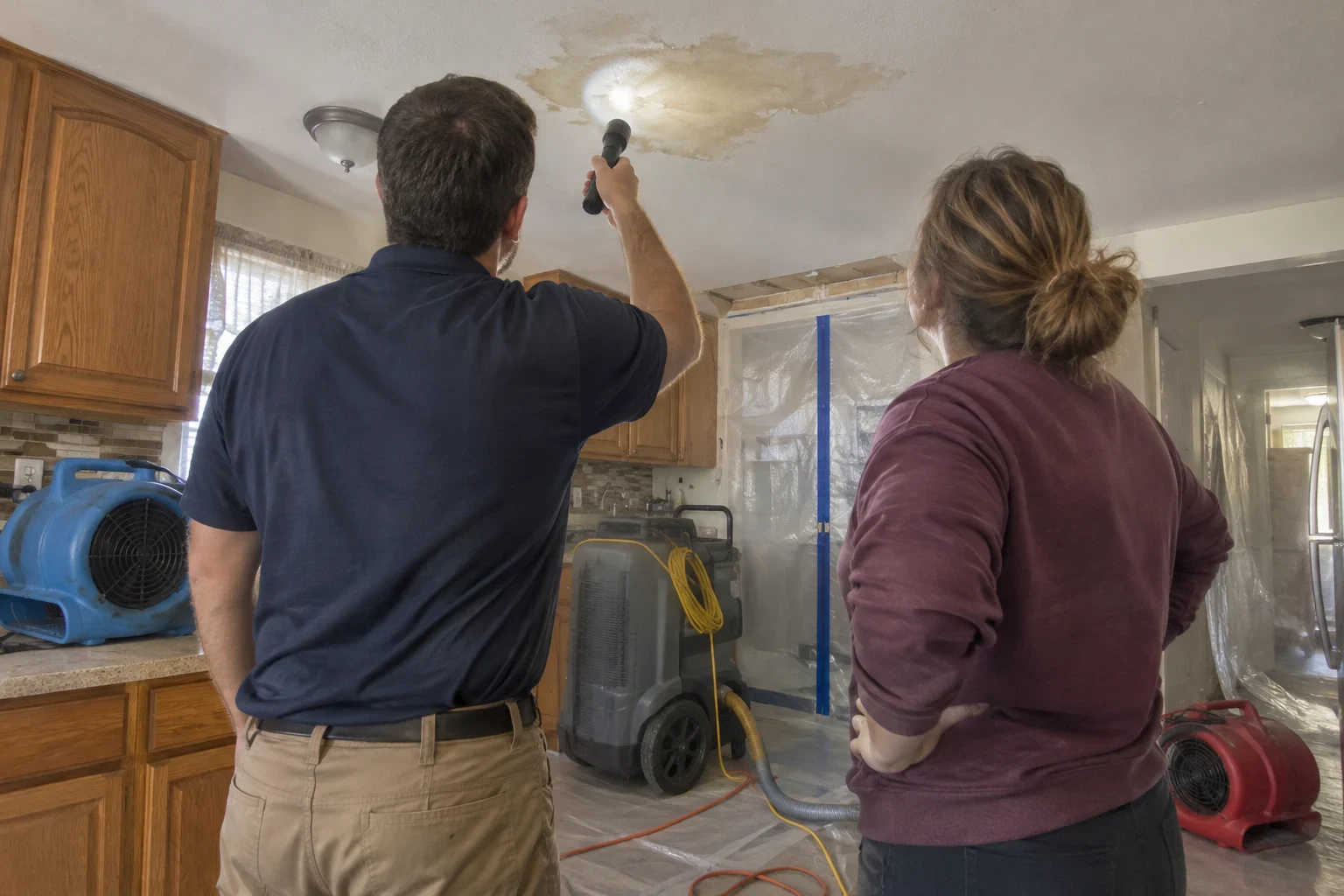
We use pin and pinless moisture meters plus a thermal camera to trace how far the water spread behind walls and under flooring. The readings go on a sketch of the room so you and your insurer can see the full wet area, not just the visible puddle.
- 03
Standing water removal
Submersible pumps handle deep water in basements and crawlspaces. Truck-mounted and portable extractors take over once the depth drops to a level a wand can reach.
- 04
Carpet and pad extraction
Weighted extraction tools press water out of carpet and pad far better than a wand alone. If the water is from a clean source and the pad is salvageable, we try to save it. If the water is contaminated, the pad has to go, and we photograph it before removal.
- 05
Photo and measurement records
We take dated photos of the source, the affected rooms and any materials we remove, along with room measurements. You get copies to send with your claim.
Questions about Water Extraction?
Call(804) 531-5396Signs you need water extraction now
Carpet that squishes underfoot
When a footstep leaves a damp print or water beads up around your shoe, the pad below is holding all it can. A box fan cannot dry a saturated pad before it begins to smell sour.
Flooring that lifts or bubbles
Laminate edges peaking or vinyl plank floating means water is trapped underneath. It needs to come up or be extracted from below.
Water in the crawlspace
After a heavy summer thunderstorm or a burst line, pooled water under the house raises humidity in every room above it and soaks the insulation between the joists.
A sagging or stained ceiling
A bulge under a bathroom or upstairs laundry means water is sitting on the drywall. It can drop without warning, so keep clear and have it drained in a controlled way.
Failed appliance hoses or a water heater leak
Washing machine hoses and tank failures can release hundreds of gallons. Even if you mopped up, water has likely reached the wall bottoms and subfloor.
How an extraction visit runs
- 1
Your call
Tell us where the water is coming from and which rooms are wet. We will walk you through shutting off the source while our crew heads your way.
- 2
Inspection and documentation
Before we move anything, we photograph the damage, take moisture readings and identify the water category: clean supply water, gray water from appliances, or contaminated water. The category decides what can be saved.
- 3
Extraction
We pump out standing water, then make repeated passes with extractors over carpet and hard floors. We lift furniture onto blocks, pull baseboards where water has wicked behind them and remove pad or flooring that cannot be saved.
- 4
Readings and next steps
We meter the area again to confirm how much water came out and what remains in the structure. Most homes then need drying and dehumidifying, and we explain what that setup involves before we start it.
What affects the cost of water extraction
The cost depends on how much water there is, what it soaked into and how hard it is to reach. We explain the scope on site and give you a written, line-item estimate. If you are filing a claim, that line-item format is what adjusters expect to review.
- Area and depth
- A wet hallway and a flooded basement are very different jobs. Square footage and water depth set the equipment and labor hours.
- Water category
- Clean water from a supply line allows more materials to be saved. Gray or contaminated water means more removal, protective equipment and disposal.
- Flooring and materials
- Carpet with pad, glued-down vinyl, laminate and site-finished hardwood each extract differently, and some have to come up to reach the water beneath.
- Access
- Low crawlspaces, finished basements and tight stairwells take longer to work in and can call for pumps and hose runs from outside.
- Timing
- Night, weekend and holiday visits for emergency water damage response can affect labor costs. We tell you up front if that applies.
Water extraction questions
Can I just use a shop vac?
For a few cups of water on a tile floor, a shop vac works. The problem is the water you cannot see: it sits in carpet pad, inside wall cavities and down in the subfloor, and that hidden moisture keeps causing damage. Our commercial extractors pull far harder than a wet vac and are built to run for hours without overheating.
Will my homeowners insurance cover extraction?
Many policies cover sudden and accidental water, such as a burst pipe or a failed washer hose, but not slow leaks or outside flood water unless you carry separate flood coverage. Your adjuster makes the coverage call. We provide the photos, moisture readings and line-item estimate they usually request, and we work with most major insurance companies.
Do I have to throw out my carpet?
Not always. Carpet wet with clean supply water can often be extracted and dried in place, though the pad is commonly replaced. Carpet soaked by sewage or ground water is not safe to keep, and sewage cleanup is handled under stricter rules.
How long does extraction take?
Pulling the water out of a single room usually takes a few hours. A basement or crawlspace with standing water can keep our crew working well into the afternoon or evening. Structural drying is the next stage and generally lasts several days, with our technicians checking readings and repositioning equipment as the materials dry out.
Should I move things or start tearing out before you arrive?
If it is safe, lift valuables and electronics out of the water. Wait to throw away soaked flooring or furniture until it has been photographed, because your insurer may want to see it.
Get the water out before it spreads
We serve Ettrick, Petersburg, Colonial Heights, Chester and nearby towns. Call us, and we will start with a free on-site inspection and a clear record of what we find.